
MOLD EXPOSURE · SYMPTOMS · RECOVERY · NEWPORT BEACH
Mold Exposure Symptoms & Recovery Support in Newport Beach

Exposure to damp or moldy environments can affect people differently. Some experience respiratory irritation, allergies, headaches, dizziness, or worsening asthma, while others seek help for persistent fatigue, brain fog, poor sleep, exercise intolerance, and reduced overall resilience.
At LeCore Newport Beach, we provide personalized recovery support for people navigating ongoing symptoms after suspected or confirmed mold exposure while helping them determine the appropriate next step in their care.
What Are the Symptoms of Mold Exposure?
People exposed to damp or mold-contaminated environments can experience very different reactions. Established mold-related health effects are most strongly associated with allergy, respiratory irritation, asthma, and hypersensitivity reactions.
Nasal & Sinus Symptoms
Stuffy or runny nose, sneezing, nasal irritation, sinus discomfort, or allergy-like symptoms.
Headaches
Headaches are reported in people occupying damp or mold-affected buildings, although headaches can have many other causes.
Coughing & Wheezing
Mold exposure can irritate the respiratory system and can worsen symptoms in people with asthma or mold allergies.
Dizziness & Lightheadedness
Some people report dizziness or lightheadedness in association with damp indoor environments, although these symptoms warrant evaluation for other potential causes as well.
Eye & Skin Irritation
Red, itchy, or watery eyes, burning eyes, itching, and skin irritation can occur in sensitive individuals.
Breathing Difficulty
Chest tightness, shortness of breath, coughing, or worsening asthma symptoms should be medically evaluated, particularly when symptoms are significant or persistent.
PERSISTENT SYMPTOMS
When Symptoms Continue After Mold Exposure
Some people report symptoms extending beyond classic respiratory or allergy complaints. These symptoms are not specific to mold exposure, but they can significantly affect daily function and deserve thoughtful evaluation.
Internal Vibrations or Trembling Sensations
Some people describe an internal vibrating, buzzing, trembling, or “shaking inside” sensation without obvious visible movement.
Because these sensations can also occur with neurologic, vestibular, autonomic, metabolic, medication-related, or anxiety-related conditions, they deserve broader evaluation rather than being automatically attributed to mold exposure.
-
Persistent fatigue or unusually low energy
-
Brain fog and difficulty concentrating
-
Headaches and dizziness
-
Poor sleep or waking unrefreshed
-
Reduced exercise tolerance & recurring injuries
-
Slower physical or cognitive recovery
Mold Illness, Mold Toxicity & CIRS
These terms are commonly searched, but they do not all carry the same medical meaning. We use them carefully and avoid assuming every persistent symptom has a single cause.
Mold Illness
A broad consumer term often used to describe symptoms someone believes are associated with mold or a water-damaged environment.
Mold Toxicity
A common search term for concerns about mold-related exposure. The presence of indoor mold does not automatically establish systemic mycotoxin toxicity.
CIRS
A term used by some clinicians for persistent multisystem symptoms attributed to water-damaged buildings or other biotoxin exposures.
Important: Persistent symptoms deserve investigation regardless of what label is used. The goal is to identify credible contributors to your symptoms rather than force every symptom into a single diagnosis.
How LeCore Supports Recovery After Mold Exposure
Once environmental exposure has been addressed and appropriate medical causes have been evaluated, some individuals still struggle with reduced energy, poor exercise tolerance, musculoskeletal tension, disrupted recovery, or difficulty returning to normal activity.
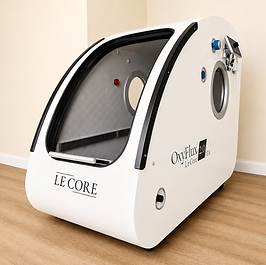
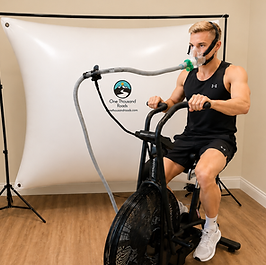
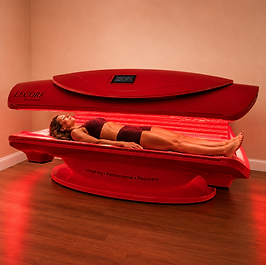


All LeCore therapies are overseen by Dr. Navid Saadati, our Clinical Director.
What a Mold Exposure Recovery Plan Can Look Like
Step 01
Understand the Exposure
Review symptom timing, known or suspected exposure, medical history, limitations, and goals.
Step 02
Identify Medical Needs
Determine what symptoms should be medically evaluated before or alongside supportive recovery care.
Step 03
Address the Environment
Correct active moisture and mold problems before relying on a long-term recovery strategy.
Step 04
Build the Plan
Use HBOT, red light, PEMF, EWOT, chiropractic, and recovery support where appropriate.
Step 05
Reassess Progress
Neuro-scans along the way to monitor focus, fatigue, sleep, mental endurance, energy, and return to normal activity.
Related Recovery Pages
Brain Fog Treatment
Tennis Elbow & Golfer's Elbow
Hyperbaric Oxygen Newport Beach
Lyme Disease Recovery
Back & Neck Pain Recovery
Red Light Therapy Newport Beach
Metabolic Health Support
Lyme Disease Recovery
PEMF Therapy Newport Beach
Mold Exposure & Recovery FAQs
Please reach us at 949-991-8787 or info@lecorenb.com if you cannot find an answer to your question.
PERSONALIZED MOLD EXPOSURE RECOVERY SUPPORT
Build Your Recovery Plan
If you've experienced mold exposure and are still dealing with fatigue, brain fog, dizziness, poor exercise tolerance, respiratory concerns, internal vibration sensations, or reduced recovery, tell us what you're experiencing. Our team can help determine whether LeCore's recovery services fit your goals and when additional medical evaluation should come first.